The necessity, construction key points, and usage advantages of installing elevators in villas

The necessity of installing modern elevator in villas is self-evident. With the development of society and the improvement of people's living standards, villas have become a high-end form of residential housing. However, villas typically have multiple floors, requiring significant time and physical effort to move between them. Installing elevators can address this issue, providing villa owners with a convenient vertical transportation method, saving time and energy.

During the construction of elevators in villas, several key points should be noted. First is selecting the appropriate type of villas elevators. Depending on the villa's structure and requirements, different types of elevators such as hydraulic elevators, traction elevators, or machine-room-less elevators can be chosen. Second is determining the elevator's location and size. The elevator's location should facilitate passenger ingress and egress while considering the overall layout and aesthetics of the villa. The elevator's size should match the villa's floor height and number of users. Lastly is choosing reliable elevator suppliers and construction teams to ensure the quality and safety of the elevator.

The usage advantages of installing residential home elevators in villas are mainly reflected in the following aspects. Firstly, convenience. Elevators in villas allow residents to move between floors more easily without climbing stairs, especially for the elderly and mobility-impaired individuals, making it more convenient and efficient. Secondly, comfort. Elevator design and manufacturing focus on passenger comfort, providing passengers with a smooth and quiet ride. Additionally, elevators can provide a sense of luxury, adding to the high-end atmosphere of the villa. Lastly, safety. Elevators in villas are typically equipped with various safety devices such as speed limiters, safety clamps, and buffers to ensure passenger safety. Moreover, elevators can be equipped with password or card swipe systems to enhance security and privacy.

However, there are also some considerations when installing modern home elevator in villas. Firstly, cost. Installing elevators in villas requires a certain investment, including the price of the elevator itself, construction costs, and maintenance expenses. Therefore, villa owners need to decide whether to install elevators based on their financial situation and needs. Secondly, space. Elevators in villas require a certain amount of space, so the location and size of the elevator need to be considered during villa design and planning.

In conclusion, installing in home lifts and elevators in villas is an important configuration to enhance living quality and convenience. It provides villa owners with a convenient, comfortable, and safe vertical transportation method, making the villa a more livable residential space. However, before installing custom residential lifts, villa owners need to carefully consider factors such as cost, space, and construction, choose the appropriate type of elevator and supplier, and ensure the quality and safety of the installation.
Thoroughly Exploring the Construction and Operating Principles of Elevators

Modern sightseeing elevator, as an indispensable part of modern cities, provides an efficient and convenient vertical transportation method, allowing people to easily access high-rise buildings. However, the construction of an elevator is not a simple matter; it involves complex engineering and technology. This article will delve into the construction and operating principles of elevators.

1.Major Components of an Elevator:

  Elevator Shaft: A vertical passage where the elevator moves up and down. Typically constructed of durable materials like concrete or steel for stability.

  Elevator Car: The part passengers ride in, usually featuring a steel shell and equipped with buttons, lighting, and safety devices.

  Guide Rails: Structures that support and guide the elevator car during its vertical movement, often made of robust steel.

  Machine Room: Located at the top or bottom of the building, housing the elevator's driving machinery and control system.

  Intelligent control systems: The "brain" of the elevator, responsible for monitoring the position, speed, and safety of the elevator, ensuring passengers safely reach their destination.

2.Operating Principles of Elevators:

  Traction System: Typically composed of a steel cable or belt connecting the elevator car and the electric motor in the machine room. The motor controls the winding and unwinding of the traction system, moving the elevator car up and down.

  Electric Motor: The power source for the elevator, usually operating on AC or DC power. The control system regulates the motor's rotation to raise or lower the elevator car based on passenger needs.

  Safety Systems: Vital for elevator operation, including a governor to prevent overspeed, a safety brake to stop the elevator in emergencies, and an emergency communication device allowing passengers to seek assistance.

While the operating principles of elevators are based on fundamental physics, the construction and engineering behind them are highly intricate. Modern elevator manufacturers and engineers must consider various factors, including building height, passenger traffic, and safety. Through advanced design and technology, elevators have become an integral part of modern cities, offering a convenient vertical transportation method that connects different floors in urban areas—a marvel in urban transportation.

Types of villa elevators

Types of villa elevators:


1. Overhead Crane Wire Rope Traction villa elevator lift:

   Utilizes an overhead crane structure for the cabin system, integrating the elevator suspension point, center of gravity, and guide rail center. Equipped with a double-layer cabin bottom and shock absorption system, ensuring exceptionally comfortable operation. With a rated load capacity of 400kg, the power consumption of villa elevators is typically only around 1 kW, equivalent to the power consumption of a television.


2. Flat Belt Traction Villa Elevator Small Home Lift:

   Replaces traditional steel cables with flat belt technology for lifting the elevator cabin. This structure offers certain advantages in terms of shaft space. For instance, with the same shaft width, the flat belt structure can provide 5 to 10 centimeters of additional cabin width compared to wire rope structures. However, compared to traditional wire rope technology, flat belt technology is slightly less mature, requires relatively higher installation standards, and entails slightly higher equipment and maintenance costs.


3. Backpack Frame Wire Rope Traction Villa Sightseeing Elevator:

   The backpack frame structure was commonly used in traditional villa elevator designs, especially in earlier hydraulic and traction villa elevators. However, with the development of small shaft technology and compact traction machines, overhead crane structures have gradually replaced backpack frame structures.


4. Hydraulic luxury residential elevators:

   Hydraulic small residential elevator utilize hydraulic power sources to pressurize oil into cylinders, causing the plunger to move linearly and directly or indirectly moving the elevator cabin via wire ropes. Hydraulic residential elevator lift were introduced earlier and have matured technologically. Most hydraulic luxury residential elevators adopt a backpack frame structure.


Understanding residential elevators

The main focus of research on residential elevators includes the following aspects:


1. Overview of the residential elevator market environment:

Analyzing the economic environment of Luxury Home Elevators comprehensively through the PEST analysis model and research experience, both internationally and domestically. Analyzing policies and related trends in the residential house elevator industry. This analysis assists enterprises, investors, and entrepreneurs in understanding the current development status and future trends of small residential elevators. It helps them adapt to changes in the market environment through marketing efforts to achieve desired goals.


2. Analysis of the competitive environment in the residential elevator market:

Relying on comprehensive database resources, analyzing the market competition situation and supply-demand status of modern home elevator through data analysis. Providing important information such as the development scale, speed, industrial concentration, product structure, ownership structure, regional structure, product prices, and profitability. Predicting the supply and demand development trends of the small elevators for homes villa market in the coming years. Analyzing the supply and demand situation of upstream and downstream industries related to Home Elevators for Private House, changes in the prices of major raw materials, the competitive landscape and trends of Luxury Home Elevators, the technology gap with foreign companies, and the investment layout of multinational companies in the Chinese market.


3. Analysis of the micro-market environment for residential elevators:

Understanding the current market situation, market size, and competitive situation of residential elevators. Providing information such as enterprise scale, financial status, technological research and development, marketing conditions, investment and mergers, product types, and market share for enterprises and investors in the residential house elevator industry.


4. Analysis of customer demand for residential elevators:

Researching the purchasing demand scale, bargaining power, and demand characteristics of residential elevator consumers and downstream industries. Analyzing the current situation and prospects of the import and export market, sales status, demand status, price changes, technological research and development status, and the impact of changes in major sales channels of residential elevator products. Identifying key distribution areas of enterprises, customer gathering areas, industrial clusters, and changes in investment migration in industrial regions.


5. Key factors affecting the development of residential elevators and development forecasts:

Analyzing the main sensitive factors and influences affecting the development of small elevators for homes villa. Predicting the development trends of residential elevators in the next few years, entry opportunities, and investment risks. Providing references for enterprises, investors, and entrepreneurs in formulating market strategies and estimating risks.


In summary, research on Home Elevators for Private House relies on meticulous analysis by professional personnel and robust data. It integrates multi-level information sources such as safety, market, and enterprises based on customer needs. With residential elevators as the main focus, it emphasizes comprehensive characteristics in the research field, focusing on development direction, pattern, and policy environment. It helps customers evaluate investment value, accurately grasp the development trends of residential elevators, and find optimal investment and marketing opportunities, demonstrating considerable foresight and authority.

Villa Elevator Design

Customized Home Elevator for Villa, as luxurious amenities in upscale residences, are increasingly favored by people. They not only enhance living comfort but also reflect the owner's pursuit of quality living. The introduction of villa elevators injects new elements into high-end residences, making luxurious living even more perfect.

Firstly, custom residential elevators provide residents with convenient vertical transportation. Traditional villas often have multiple floors, and the introduction of elevators allows residents to easily move between different levels, eliminating the hassle of stairs. Whether for elderly individuals, disabled persons, or family members carrying bulky items, the elevator provides easy access to all levels of the building, offering a more comfortable and convenient lifestyle.

Secondly, Luxury elevator interior design emphasizes the combination of aesthetics and practicality. Luxurious decorations, high-quality materials, and exquisite designs of elevator cabins reflect the owner's pursuit of lifestyle quality and aesthetics. The elevator is not only a means of transportation but also a part of the interior space design of the villa, symbolizing the owner's taste and quality of life.

Furthermore, Customized Villa Elevator enhance the practicality and market value of the property. With the improvement of living standards and the pursuit of quality of life, more and more upscale villas choose to consider installing elevators during home elevator designs and construction. This not only makes the property more competitive but also increases its market value to some extent, becoming a competitive advantage in the real estate market.

However, safety considerations for villa elevators are also paramount. Although modern elevators are equipped with various safety features and technologies such as emergency braking systems and door-closing prevention, safe operation and regular maintenance and inspections are still necessary to ensure passenger safety.

In conclusion, the presence of villa elevators injects new vitality into upscale residences, enhancing living comfort and convenience, and reflecting the owner's pursuit and enjoyment of quality living. With the continuous development of technology, villa elevators will become more intelligent and safer, creating a more perfect living space for upscale villas.

Villa Elevator Power Consumption Analysis

Currently, villa elevator lift can be categorized into four types:

Traction Type:

Principle: A motor is located at the top of the shaft, with a car and counterweight connected by wire ropes, allowing movement up and down through traction.

The rated power consumption for traction Home Villa Elevator is 0.9 kW/h for the traction machine.

Gearless Type:

Principle: The Modern home elevator's main unit can be placed at the top or bottom of the building, and the elevator can move up and down through guide wheels.

The power consumption of energy-efficient gearless villa elevators is rated at 4 kW/h.

Hydraulic Type:

Principle: The car moves up and down through a hydraulic plunger.

The power consumption of hydraulic residential home elevator is rated at 3.5 kW/h.

Screw Type:

The structure of the screw-type Luxury Home Elevators is simple, with the elevator moving up and down around a large screw.

The rated power consumption for screw-type villa elevators is 2.2 kW/h.

Which type of elevator is best for home?

When it comes to choosing the best type of elevator for home use, there are a few factors to consider. Here are some popular options and their advantages:

  1. Hydraulic Elevators: Hydraulic elevators use a piston that moves within a cylinder to lift the elevator car. They are known for their smooth and quiet operation. Some advantages of hydraulic elevators include:
  • Safety: Hydraulic home elevators have built-in safety features such as emergency lowering and backup power in case of a power outage.
  • Efficiency: These elevators typically consume less energy compared to other types, making them more environmentally friendly.
  • Flexibility: Residential Hydraulic elevators can be installed in both low-rise and high-rise buildings and can support heavier loads.
  • Smooth ride: Hydraulic systems provide a gentle and comfortable ride, reducing the risk of motion sickness.
  1. Traction Elevators: Traction elevators use steel ropes or belts attached to a counterweight to move the elevator cab. They are widely used in commercial and residential buildings. Here are their advantages:
  • Speed: Traction elevators can achieve higher speeds, making them suitable for taller buildings with more floors.
  • Space-efficient: These elevators require less space as they don't need a machine room. They can be installed in compact areas.
  • Energy-efficient: Traction elevators often use regenerative drives, which recycle energy during operation, reducing power consumption.
  • Smooth and quiet operation: Traction elevators provide a smooth and quiet ride, ensuring passenger comfort.
  1. Machine-Room-Less Elevators (MRL): MRL elevators combine the advantages of both hydraulic and traction elevators. They eliminate the need for a separate machine room, saving valuable space. Here are some benefits:
  • Space-saving: MRL elevators require less space for installation, making them suitable for smaller homes or buildings with limited space.
  • Energy-efficient: These elevators feature energy-saving technologies like regenerative drives, contributing to reduced energy consumption.
  • Easy installation: MRL elevators are easier to install and maintain than traditional traction elevators since they don't require a separate machine room.
  • Cost-effective: The elimination of the machine room can lower construction and installation costs.

Ultimately, the best type of elevator for a home will depend on various factors such as the height of the building, available space, load requirements, and personal preferences. Consulting with a professional elevator company can help determine the most suitable option for your specific needs.

Advantages Of Pallet Storage Racks

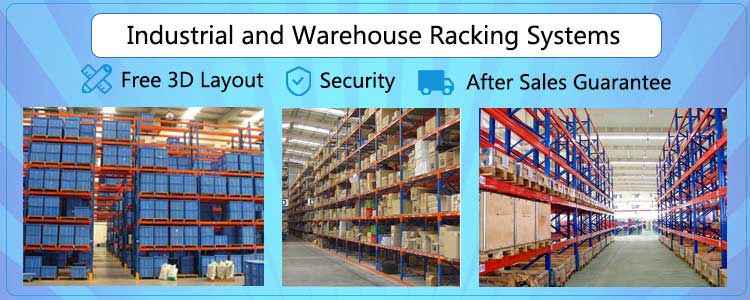
Pallet storage racks play an important role in logistics warehouses. They are freely assembled and easy to disassemble, assemble, and move. The position of the beams can be adjusted arbitrarily according to the height of the items being pushed. Pallets are widely used in storage racks. Pallet-type racks are generally called heavy-duty racks. Pallets placed on the racks are spatially separated to facilitate the use of forklifts, elevators, etc. According to the specific properties of different goods, different material pallets are used, some of which are generally pallet racks formed in the form of storage racks, which are usually used on shelves. They are all free to place pallets.

For example, traditional heavy-duty racks as well as drive-in racks, shuttle racks and automatic three-dimensional racks are usually used for cargo storage. From the operating mode, it can be divided into driven pallet rack and gravity pallet rack. Heavy-duty pallet racks are arguably one of the most common racking systems for every business. It is known for its heavy duty, small footprint and stable shelf life. Different materials and pallets of different sizes are added to each layer to place the goods on the pallets for easy insertion. It also reduces the surface wear of the heavy shelves and ensures the storage safety of the shelves.

At the same time, pallets can also reduce or prevent the environmental impact of the cargo layer from direct contact with moisture on the shelves. Cross-beam pallet racking are generally used in areas where forklifts access goods, such as warehouses, finished product warehouses, packaging box warehouses, high-end warehouses, etc. The pallet length of the beam pallet is generally designed according to the custom manufacturer, and the size and height of the pallet are designed according to the lifting height of the forklift used.

pallet storage racks 

Advantages of heavy duty shelves 

1. Strong load-bearing capacity: The cargo space of heavy duty storage racks can bear a load of 1000kg~3000kg. One cargo space usually stores two pallets, which can meet the warehousing needs of most industries.

2. Simple structure: The heavy duty warehouse shelves are assembled with column pieces and beams. They are fully assembled structures. No welding is required during installation. They can be combined at will. The floor height can be adjusted freely. Installation and disassembly are convenient and flexible. In addition, main and auxiliary racks can also be used to save shelf costs.

3. Mechanized operations: Due to the strong load-bearing capacity of warehouse pallet shelves, the stored goods are usually relatively heavy, and the access to goods is basically completed by forklifts and other machinery. There will be a passage between each row of shelves for forklift operation, and the forklift can directly reach any shelf location for access operations.

4. Low cost: The cost of heavy duty pallet rack is lower than other types of storage shelves, and they have a wide range of applications, so they can be widely used in the warehousing industry.

How to Fill a Bean Bag Chair?

All bean bags can naturally lose their shape over time. The daily weight and pressure from regular use can cause the fillings to shift, leading to reduced plumpness and overall comfort. The good news is you can refill bean bag chairs quickly and easily! If you're wondering how to fill a bean bag chair, this guide is for you. Read on and learn to refill bean bag chairs effectively in five easy steps.


Step 1: Gather Materials Needed To Refill Bean Bag Chairs


Before we delve into the steps on how to fill a bean bag chair, here’s a list of materials you will need:


  • Filling for a bean bag chair


  • A wide-mouth funnel


  • Container or bin


  • Zip ties or clips


  • Scoop or measuring cup


Step 2: Prepare the Filling


The filling for bean bag chairs directly influences the support, comfort, and overall experience of relaxing in these cozy chairs. There are generally two types of filling:


  • Beans: These are usually made of polystyrene and offer a classic and firm feel. They conform to the shape of your body, providing solid support.


  • Foam Pellets: Flexible and lightweight, their conforming ability provides excellent support and reduces pressure points.


If you're using traditional beans, ensure they are clean and dry. Regardless of the filling you choose, make sure it is durable, high-quality, and hypoallergenic.


Step 3: Create a Funnel


If you do not have a wide-mouth funnel, you can create a makeshift one by repurposing a plastic waste paper bin or a plastic bucket with a wide opening. Once you have the funnel, you can carefully unzip your bean bag chair. After this, position the wide-mouth funnel into the chair's opening and tighten the zipper.


You don’t have to remove the old beans. You can simply add the right amount of new beans until the bean bag reaches its ideal firmness. However, if you aim to restore the comfort level you enjoyed before, we recommend emptying the bean bag completely and replacing it with fresh fillings.


Step 4: Carefully Pour the Filling


Use a measuring cup to scoop the filling for bean bag chairs and slowly pour it into a steady stream. Use clips or zip ties to secure the bag's shape while you work.


Keep an eye on the bean bag’s contours and dimensions to ensure you reach your desired level of comfort and fluffiness.


Step 5: Fluff and Adjust


Once you've filled your bean bag, zip it tightly and give it a thorough shake and fluff to achieve the ideal, huggable shape. Take a moment to test your creation and adjust accordingly to ensure it meets your comfort preferences.


Shop Premium-Quality Bean Bags


By following these steps on how to fill a bean bag chair, you can ensure your favorite relaxation spot remains plush and inviting.


Welling offers quality bean bag chairs filled with 100% new shredded polyurethane foam. We produce our bean bags and furniture in China and ship them directly from our factory.


Choose from a diverse palette of colors, perfect for creating the ultimate lounging area in your home or office. Shop our bean bags now and enjoy great comfort!


Types of Sliding Door Hardware Kits

There are various types of sliding door hardware kits available in the market to suit different requirements and design preferences.


Top-mount sliding door hardware kit

This type of kit features a track mounted on the top of the door frame, allowing the door to slide smoothly along the track. It is commonly for heavier doors and offers excellent stability and weight-bearing capacity.


Bottom-mount sliding door hardware kit

Bottom-mount sliding door hardware kit is designed with a track that is installed on the floor, providing support for the door to glide smoothly. It is often used for lighter doors or applications where a sleek and minimalist appearance is desired.


Wall-mount sliding door hardware kit

Wall-mount sliding door hardware kit is fixed to the wall adjacent to the door opening, allowing the door to slide horizontally along the wall. It is ideal for spaces with limited ceiling or floor space and provides a modern and space-saving solution.


Bypass sliding door hardware kit

Bypass sliding door hardware kit is specifically designed for sliding doors that overlap each other when opened or closed. It allows multiple doors to slide past one another, making it suitable for closets, wardrobes, or rooms where space efficiency is crucial.


Barn door sliding hardware kit

Inspired by traditional barn doors, Barn door sliding hardware kit features a rustic and stylish design. It typically includes a track, hangers, and other necessary components for hanging the door. It adds a unique and aesthetic appeal to any space.


These different types of sliding door hardware kits provide flexibility in terms of installation, functionality, and design options. They facilitate smooth and effortless sliding motion, enhancing the overall convenience and visual appeal of sliding doors in various residential and commercial applications. We are professional sliding door hardware manufacturer, get more details from https://www.shrjrov.com.


Sliding Door Hardware Kits